
Why is the UK Gov Banning Fast Food & Sugary Drink Adverts?

To combat childhood obesity and adopt healthier eating habits among children, the UK government has implemented new restrictions on junk food advertising.
As of 5 January 2026, advertising for less healthy food and drinks will be prohibited on television before 9 pm and online at all times.
These measures are expected to remove up to 7.2 billion calories from children's diets annually and are poised to become a significant milestone in the drive to raise the healthiest generation of children ever.

Regulatory measures on fast food
This landmark decision aims to protect children from excessive exposure to unhealthy food adverts, a factor proven to influence their eating habits and preferences from a young age.
By targeting the media platforms most frequently used by children, the government hopes to reduce the risk of obesity and related illnesses.
The new regulations are part of a comprehensive strategy to improve children's health.
Data from the UK Government shows that 22.1% of children in England enter primary school overweight or obese, a figure that rises to 35.8% by the time they leave,
Tooth decay is also a prominent issue and is the leading cause of hospital admissions for young children (typically ages five to nine) in the UK.
“We promised to do everything we can to give every child the best and healthiest start in life,” says Ashley Dalton, Minister for Health, UK Government.
“By restricting adverts for junk food before 9pm and banning paid adverts online, we can remove excessive exposure to unhealthy foods, making the healthy choice the easy choice for parents and children.
“We’re moving the dial from having the NHS treat sickness to preventing it, so people can lead healthier lives and so it can be there for us when we need it.”
Beyond the advertising ban, the government has introduced initiatives such as the Healthy Food Standard, which aims to reshape the average shopping basket and granted local authorities the power to regulate the establishment of fast food outlets near schools.
Moreover, the Soft Drinks Industry Levy will be extended to include more sugary products and the sale of high-caffeine energy drinks to children under 16 will be banned.
These initiatives, coupled with supervised toothbrushing programs, are part of a broader effort to eliminate the root causes of poor health in children.
The anticipated outcome of these advertising restrictions is profound: an estimated reduction of 20,000 cases of childhood obesity and around £2bn (US$2.7bn) in health benefits.
“It’s been one battle after another, but we are finally going to see children being protected from the worst offending junk food adverts,” says Katharine Jenner, Executive Director, Obesity Health Alliance.
“This is a welcome and long-awaited step towards better protecting children from unhealthy food and drink advertising that can harm their health and wellbeing.
“These new restrictions will help reduce children’s exposure to the most problematic adverts and mark real progress towards a healthier food environment.
“For the government to achieve its ambition of raising the healthiest generation ever, this is an important policy as part of a broader approach to preventing obesity-related ill health.
“Continuing to strengthen the rules over time will help ensure these protections remain effective.”
The measures follow successes with previous interventions like the Soft Drinks Industry Levy, which prompted many companies to reformulate products and reduce sugar content voluntarily.
These new rules align with broader economic goals, as healthier citizens contribute to more robust economic growth.
Recognising this, many food and drink companies have already started aligning their practices with these regulations, showcasing a collaborative effort between government and industry.
Details of the advertising ban
The restrictions specifically target advertising for less healthy food or drink on television between 5:30 am and 9:00 pm and all paid-for online advertising, which includes platforms frequented by children.
While other advertising forms, such as billboards, remain unaffected, existing regulations still govern them.
The government has outlined thirteen categories significant to childhood obesity, which will be subject to advertising restrictions:
- Sugary drinks
- Savoury snacks
- Sugary cereals
- Chocolates
- Ice creams
- Cakes
- Sweet biscuits
- Pastries
- Desserts
- Sweetened yoghurts
- Pizzas
- Prepared potato products and main meals.
Products within these categories that are deemed 'less healthy' will face advertising bans unless they are reformulated to healthier versions.
“With type 2 diabetes on the rise in young people, the need to improve children’s health in the UK has never been greater,” says Colette Marshall, CEO at Diabetes UK.
“Obesity is a major risk factor for type 2 diabetes and the condition can lead to more severe consequences in young people, leaving them at risk of serious complications like kidney failure and heart disease.
“The long-awaited move to restrict junk food advertising, along with other measures such as mandatory healthy food sales reporting for businesses and the extension of the Soft Drinks Industry Levy, can help protect the health of our children, creating a future where conditions like type 2 diabetes can be prevented in young people.”
Plain porridge oats will not face advertising restrictions, though versions high in sugar or additives may.
This distinction allows companies to advertise healthier product versions, fostering an environment conducive to product reformulation for better nutritional quality.
A step towards a healthier future
While the battle against childhood obesity is multifaceted, limiting exposure to junk food advertising marks a crucial step toward a healthier future.
The government estimates these restrictions will significantly reduce caloric intake among children, thereby preventing obesity and associated health problems over the long term.
“The world around us heavily influences what we eat and drink, which is why Cancer Research UK has long campaigned for restrictions on advertising unhealthy foods to children,” says Malcolm Clark, Senior Policy Manager at Cancer Research UK.
“Measures announced today, if properly enforced, are a crucial step towards creating an environment that protects children and empowers healthy lifestyle changes.
“Obesity and overweight causes at least 13 different types of cancer and children living with obesity are much more likely to live with obesity as adults too.
“The UK government must build on this landmark legislation with further bold action to make a healthy diet more accessible and reduce people’s risk of cancer in the future.”
As part of the 10 Year Health Plan, these measures underline a decisive shift toward prevention in public health policy.
With childhood obesity and tooth decay still prevalent, continued efforts are essential in ensuring today's children grow into the healthiest generation yet.
Through sustained governmental action, industry cooperation and societal commitment, the foundation for a healthier future is being solidly built.


Executives
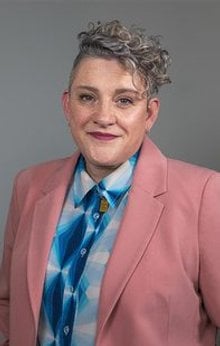
Ashley Dalton
Minister for Health

Colette Marshall
CEO

Katharine Jenner
Executive Director

Malcolm Clark
Senior Policy Manager