Fertilisers, Food Security & Energy: This Week’s Top stories
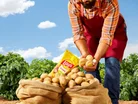

A new partnership between PepsiCo and Fertiberia could transform how ingredients for popular snack brands are grown across Europe.
The collaboration focuses on replacing conventional fertilisers with green hydrogen-based alternatives across farmland that supplies potatoes and corn for products including Lay's, Doritos and Cheetos.
According to the companies, the initiative will eventually cover 400,000 acres and support more than 1,500 farmers.
Fertiberia will supply up to 136,000 tonnes of its Impact Zero fertiliser to PepsiCo annually by 2030.
Mars has entered a long-term power purchase agreement with European Energy for the majority of output from the Skuodas Wind Farm in Lithuania.
The wind farm is owned by European Energy and is designed to help decarbonise and electrify Europe. Mars is a snacking, food and pet care company.
According to Alerion, a standard two MW wind turbine can avoid the emissions of 1,450 tonnes of CO₂ annually.
The Skuodas Wind Farm is expected to have an installed capacity of 158.4 MW.
In total, the wind farm is expected to generate approximately 490 GWh of renewable electricity annually, roughly the amount needed to power approximately 250,000 homes a year.
Global food security faces mounting pressure as undernourishment increases worldwide.
According to the UK Government, poverty, conflict, climate change and food distribution contribute to rising hunger levels.
The UK food sector now works to cut emissions while building stronger domestic supply chains and protecting food security. High animal welfare standards remain a priority across the industry.
Animal feed represents a key opportunity for change. Imported soy linked to deforestation and high carbon intensity creates environmental challenges that require immediate attention.
2 Sisters Food Group has released a detailed roadmap addressing these issues through its NextGen Strategy.
The plan sets out measurable emissions cuts, investment in British agriculture and changes to poultry feed formulation to support a net zero target by 2035.
Water scarcity affects food production systems across multiple continents.
According to the World Health Organization, in 2022, more than two billion people live in water-stressed countries and at least 1.7 billlion people use unsanitary drinking water.
These conditions could mean reduced crop yields and compromised food safety in agricultural regions.
Google is supporting Agua Segura and Agrow Analytics to use AI-powered precision agriculture across Belgium's farmland.
The partnership aims to reduce water stress, unsustainable irrigation and overuse of fertilisers.
These factors directly influence the quality and quantity of food and drink products reaching consumers.
Choco is an AI-powered food distribution platform modernizing how orders move across global supply chains.
It processes millions of transactions using AI agents built on OpenAI APIs, reducing manual effort across operations.
The system connects distributors and buyers across major regions while enabling always-on ordering at scale.
Choco operates as a global platform serving more than 21,000 distributors and 100,000 buyers across the US, UK, Europe and the GCC.