
Top 10: Sustainable Restaurants

As sustainability in dining continues to rise, restaurants like Azurmendi, Silo, Timberyard and Aponiente are leading the charge.
What started as a small wave of eco-conscious restaurants has now become a significant movement, reshaping the future of dining.
From zero-waste kitchens and local sourcing to promoting biodiversity and using renewable energy, these restaurants are at the forefront of the sustainability revolution.
By integrating innovative practices and prioritising environmental responsibility, these establishments are meeting the growing demand for food that not only tastes good but also has a positive impact on the planet.
Food & Drink Digital showcases the ground-breaking work of these restaurants, ranking them based on who has been around for the longest, setting new standards for sustainability, quality and responsible dining as the industry moves toward a more sustainable future.
10. Farmers
Location: Marrakech, Morocco
Known for: Local sourcing and pesticide-free
Founders: Aziz Nahas and Benjamin Pastor
Founded in: 2024
Farmers is a sustainable restaurant in Marrakech's Guéliz neighbourhood, offering high-quality, pesticide-free and locally sourced dishes.
Partnering with Sanctuary Slimane, a permaculture farm, it delivers fresh, responsibly grown produce straight from the farm to your plate.
Since its opening in September 2024, Farmers has gained acclaim for its seasonal, vegetable-led dishes, creatively crafted by Chef Driss Aloui.
The restaurant’s minimalist Art Deco setting complements its philosophy of transparency and sustainability, making it a popular destination for both locals and visitors.
9. Locavore NXT
Location: Bali, Indonesia
Known for: Local sourcing, biodiversity and circularity
Founders: Eelke Plasmeijer and Ray Adriansyah
Founded in: 2023

Locavore NXT is a hyper-local, sustainable restaurant that focuses on responsible sourcing, circular waste systems and renewable energy.
With a commitment to nature, it operates using solar power, greywater recycling and soil regeneration.
The restaurant’s rooftop food forest grows more than 450 plant varieties, while waste is composted or repurposed, reducing landfill contribution.
Featuring a B.I.O. Library, it celebrates Indonesia’s edible biodiversity.
NXT offers a truly eco-conscious dining experience, with innovative techniques and fresh, local ingredients.
8. MIL Centro
Location: Cusco, Peru
Known for: Biodiversity
Founders: Virgilio Martínez and Pía León
Founded in: 2017
MIL Centro, nestled at 3,600 meters in the Sacred Valley, offers a unique gastronomic journey through the Moray ecosystem.
Guests explore six stations, including the Inca site of Moray, local crops and Andean artisan techniques.
The experience showcases Peruvian biodiversity, blending traditional wisdom with contemporary culinary innovation.
Created by Virgilio Martínez, Pía León and Malena Martínez, MIL Centro celebrates local biodiversity, collaborating with more than 300 producers to craft a tasting menu inspired by the region’s landscapes, culture and history.
7. Haoma
Location: Bangkok, Thailand
Known for: Zero-waste
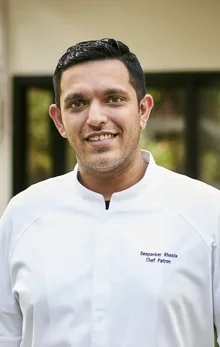
Founder: Deepanker “DK” Khosla
Founded in: 2017
HAOMA in Bangkok is a pioneering sustainable restaurant blending urban agriculture with eco-friendly practices.
Featuring 200 meters of vertical farming and a zero-waste system, HAOMA grows its own produce, including 40 different herbs and fish, using aquaponics and rainwater harvesting.
With a focus on organic farming, the restaurant collaborates with local small-scale producers for its ethical, biodynamic menu.
HAOMA also runs the #NoOneHungry initiative, providing meals for the homeless and empowering marginalised communities through training and employment.
6. SingleThread
Location: California, US
Known for: Biodiversity
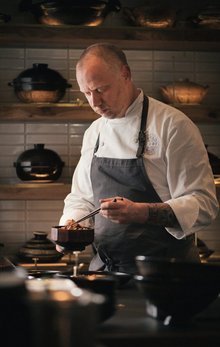
Founders: Kyle Connaughton and Katina Connaughton
Founded in: 2016

SingleThread Farm, located in the Dry Creek Valley, spans 24 acres of biodiverse land dedicated to sustainable farming practices.
The farm produces a variety of culinary crops, flowers and honey, all grown with a focus on soil health and responsible land management.
Through its Community Supported Agriculture (CSA) programme, SingleThread shares its harvest with the local community, offering farm-fresh produce.
The farm is a hub for seasonal, local ingredients, inspiring both chefs and customers with its commitment to biodiversity and sustainable agriculture.
5. Forest Side
Location: The Lake District, England
Known for: Locally sourced
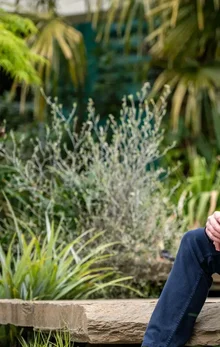
Founded: Andrew Wildsmith
Founded in: 2016
The Forest Side Hotel in Grasmere, built in 1853, is a historic Victorian mansion nestled amidst the stunning landscape of the Lake District.
Originally a gentleman’s residence, it has been lovingly restored to blend its rich heritage with modern comforts.
Surrounded by 24 acres of picturesque gardens, including restored Victorian features and a fellside home to wildlife, the hotel focuses on sustainability.
The restaurant, led by Head Chef Paul Leonard, prides itself on using locally grown produce and foraged ingredients, embracing sustainable, organic practices.
4. Timberyard
Location: Edinburgh, Scotland
Known for: Local sourcing
Founded: The Radford family
Founded in: 2012
Timberyard, a Michelin Green Star restaurant in a bustling urban setting, proves that innovative gastronomy can thrive in the heart of the city.
Focused on local and seasonal ingredients, the restaurant highlights Scottish produce, with a commitment to a sustainable, nose-to-tail approach.
The team grows herbs and garnishes in their courtyard garden, using no pesticides and encouraging pollinators.
Preservation techniques, such as fermentation and pickling, ensure minimal waste, with house-made soft drinks, organic wine and biodynamic beer complementing the ethos of sustainability.
3. Silo
Location: London, England
Known for: Zero waste
Founder: Doug McMaster
Founded: 2011

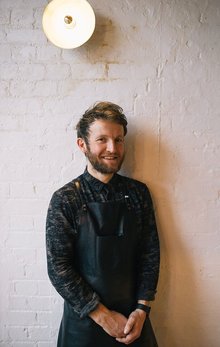
Silo, founded in Australia by Joost Bakker in 2011, became the world's first zero-waste restaurant under chef-owner Doug in 2019, when it relocated to London's White Building.
With a "no bin" policy, Silo operates on the principle that waste is a failure of imagination, transforming whole ingredients into dishes without over-processing or food miles.
The restaurant mills its own flour, churns butter and uses every part of ingredients through a root-to-leaf approach.
Silo works closely with suppliers who embrace regenerative farming and zero-waste methods, upcycling materials into innovative designs while minimising waste through fermentation and composting.
2. Aponiente
Location: Cádiz, Spain
Known for: Biodiversity
Founder: Ángel León
Founded in: 2007
Aponiente, located in the heart of the Bahía de Cádiz Natural Park in southern Spain, is a beacon of innovation and sustainability.
Situated in ancient salt pans worked since Phoenician times, the restaurant and its partners aim to preserve and revitalise local traditions while incorporating modern ecological practices.
Aponiente is dedicated to marine biodiversity and the recovery of artisanal salt pans, multi-trophic aquaculture and traditional crops through a collaboration with Birdlife International, Mava Foundation and local entrepreneurs.
Since its 2007 opening, chef Ángel León has pioneered seafood-based culinary techniques, utilising more than 40 new ingredients, including marine microalgae and fish protein sausages.
His groundbreaking work also includes creating marine-origin honey and pioneering the cultivation of seagrass.
Aponiente’s ethos focuses on redefining gastronomy as a transformative force, promoting nature conservation and fostering innovation through sustainability.
The restaurant’s international influence includes organising the biennial Despesques gathering, bringing chefs together to explore the future of food.
1. Azurmendi***
Location: Biscay, Spain
Known for: Eco-friendly
Founder: Eneko Atxa
Founded in: 2005

Azurmendi***, located in Larrabetzu, Spain, is a restaurant that combines Basque tradition with cutting-edge sustainability.
Designed by Eneko Atxa, the restaurant is an architectural marvel, integrating modern design with nature.
Azurmendi's commitment to sustainability is evident in its bioclimatic building, which uses renewable energy, rainwater for irrigation and energy-efficient systems.
It has been recognised as the world’s most sustainable restaurant by The World’s 50 Best Restaurants.
The restaurant collaborates with local producers to recover endangered crops and uses a circular economy approach by recycling organic waste into compost.
Azurmendi*** also promotes biodiversity through its germplasm bank and works to educate on the importance of local varieties, ensuring sustainability for future generations while offering an innovative culinary experience rooted in local heritage.
Company portals










Executives
Andrew Wildsmith
Owner of The Forest Side Hotel and Restaurant

Ángel León
Founder
Deepanker “DK” Khosla
Founder
Doug McMaster
Founder

Eneko Atxa
Founder

Katina Connaughton
Founder
Kyle Connaughton
Founder

Pía León
Founder
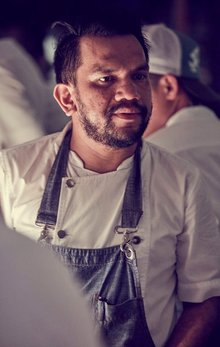
Ray Adriansyah
Founder
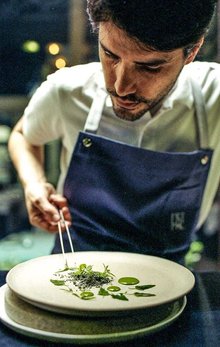
Virgilio Martínez
Founder