Top 10: Sustainable Drinks Manufacturers
As sustainability becomes increasingly urgent across the global food and beverage sector, the industry is undergoing a major transformation.
From carbon reduction and water stewardship to circular packaging and regenerative agriculture, companies are reshaping how products are sourced, produced and distributed.
Innovative strategies are reducing environmental impact, improving resource efficiency and supporting more resilient supply chains worldwide.
Industry leaders are embedding sustainability into core business models, balancing growth with environmental and social responsibility.
Food & Drink Digital highlights the top 10 leading companies driving progress in sustainable manufacturing and shaping a more responsible future for the industry.

Heineken’s Brew a Better World strategy guides its sustainability efforts, focusing on responsible, social and environmental pillars.
The company targets carbon reduction, circular packaging, water efficiency and sustainable sourcing across its value chain.
It aims for net zero production emissions by 2030 and full value chain neutrality by 2040.
Initiatives include renewable energy, low-carbon glass, reduced plastic and farmer partnerships.
Collaboration with stakeholders drives innovation, improving resource efficiency, reducing waste and supporting communities while strengthening long-term sustainable business growth globally.
9. Asahi Group
Revenue: US$19.4bn
CEO: Atsushi Katsuki
Founded: 1889
Asahi is a sustainable beverage company because it embeds sustainability into its core business strategy through its “Planet Positive” vision.
It aims to achieve net zero carbon emissions by 2050 and significantly reduce emissions by 2030 using renewable energy and efficient technologies.
The company reduces packaging waste by shifting to recycled and bio-based materials and supports a circular economy.
Asahi promotes sustainable agriculture by working with farmers to protect biodiversity and soil health.
It also conserves water resources by reducing usage and improving watershed management.
8. Suntory
Revenue: US$22.5bn
CEO: Kazuhiro Saito
Founded: 1899
Suntory Beverage & Food is a key sustainable manufacturer because it focuses on water conservation, carbon reduction and circular packaging across its operations.
It aims to cut water use, restore watersheds and return more water to nature than it consumes.
The company targets net zero greenhouse gas emissions by 2050 and uses renewable energy, green hydrogen and energy-efficient production.
It promotes sustainable packaging by designing recyclable PET bottles and using recycled and plant-based materials.
Through regenerative water projects, education programmes and partnerships, Suntory protects ecosystems and communities.
Overall, it integrates science-based sustainability into its entire value chain to reduce environmental impact.
7. Danone
Revenue: US$32.2bn
CEO: Antoine de Saint-Affrique
Founded: 1919

Danone is a well known sustainable food and drink company through its Impact Journey, which focuses on Health, Nature and People & Communities.
It aims to reduce carbon emissions in line with 1.5°C, expand regenerative agriculture and improve soil, water and biodiversity.
The company uses renewable energy, reduces water use and develops circular packaging to cut waste.
Danone also works toward deforestation-free supply chains and supports farmers with sustainable practices and fair livelihoods.
It reduces food waste through redistribution and recycling.
Certified as a B Corp, Danone integrates social and environmental goals into its business to create healthier people and a more sustainable food system globally.
6. Starbucks
Revenue: US$37.2bn
CEO: Brian Niccol
Founded: 1971
Starbucks is a major sustainable coffee manufacturer because it aims to reduce its water and carbon footprint by 50% by 2030 and promotes circular store design through its Greener Stores initiative.
It improves energy efficiency, water savings and waste reduction across thousands of locations.
Starbucks sources 99% ethically certified coffee and supports farmers with climate-resilient trees and sustainable farming.
It encourages reusable cups and recyclable packaging, invests in recycling systems and funds community environmental projects worldwide to reduce its environmental impact.
5. Coca-Cola
Revenue: US$47.9bn
CEO: Henrique Braun
Founded: 1886
Coca-Cola is a key sustainable beverage company because it focuses on reducing environmental impact across water, packaging, emissions and agriculture.
It replenishes more than 100% of the water used in its drinks globally and works to restore water in high-risk areas.
The company increases recycled content in packaging and improves collection of bottles and cans to support a circular economy.
It is committed to reducing greenhouse gas emissions in line with a 1.5°C pathway.
Coca-Cola also supports sustainable agriculture by improving water use, soil health and climate resilience across its supply chain.
4. Mars
Revenue: US$55bn
CEO: Poul Weihrauch
Founded: 1911

Mars is a popular sustainable drink and food manufacturer through its “Sustainable in a Generation” plan, aiming for a healthy planet, thriving people and inclusive society.
It reduces greenhouse gas emissions, targets net zero by 2050 and increases renewable energy use.
Mars works to eliminate deforestation in cocoa and palm oil supply chains and supports farmers through fair income and climate-smart agriculture.
It promotes circular packaging, improves recyclability and reduces waste.
The company also focuses on water efficiency, soil health and science-based sustainability goals aligned with the United Nation's SDGs.
3. AB InBev
Revenue: US$59.3bn
CEO: Michel Doukeris
Founded: 2008
AB InBev is a popular sustainable drink manufacturer because it integrates innovation and environmental responsibility across its brewing value chain.
The company reduces water, energy and carbon use in breweries through efficiency technologies, AI and low-impact brewing processes.
It focuses on water stewardship by improving availability and quality in high-stress regions.
AB InBev promotes circular packaging by increasing recycled content and developing returnable systems to reduce waste.
Through Smart Agriculture, it supports farmers with training, financial inclusion and regenerative practices.
It also invests in renewable energy and targets net zero emissions by 2040.
Programs like the 100+ Accelerator fund sustainability innovations in climate, recycling and agriculture, helping create a more efficient and lower-impact global beer industry.
2. PepsiCo
Revenue: US$93.9bn
CEO: Ramon Laguarta
Founded: 1965

PepsiCo is a key sustainable manufacturer because it embeds environmental and social responsibility across its entire value chain through its pep+ (PepsiCo Positive) strategy.
This approach aims to make every stage of production more circular, efficient and inclusive, while addressing major global challenges such as climate change, water scarcity and social inequality.
A core priority is reducing environmental impact by improving energy efficiency, lowering greenhouse gas emissions and minimising water use in operations.
The company also works to replenish high-risk watersheds and promote responsible water management.
Additionally, PepsiCo is transforming packaging by increasing recycled content and reducing plastic waste.
Its “Sustainable from the Start” design system uses life cycle analysis to reduce impacts early.
Through regenerative agriculture and responsible sourcing, it supports soil health, biodiversity and farmer livelihoods, helping create a more sustainable and resilient global food system for the future.
1. Nestlé
Revenue: US$114.2bn
CEO: Philipp Navratil
Founded: 1866

Nestlé is the top sustainable drink manufacturer because it integrates environmental and social responsibility across its water and beverage operations.
The company reduces water use in bottling, monitors local watersheds and commits to AWS certification across sites to ensure responsible water management.
It also invests in water regeneration projects that restore aquifers and support community access to clean water.
Energy efficiency is improved through renewable power, biogas and low-carbon transport.
Nestlé reduces greenhouse gas emissions and optimises production through modern, resource-efficient factories.
Packaging is designed to be recyclable, lightweight and increasingly circular, reducing plastic waste and supporting recycling systems.
The company targets zero waste to landfill and reuses by-products.
Through regenerative agriculture and responsible sourcing, it protects ecosystems and biodiversity.
Collaboration with local communities and NGOs strengthens shared water and environmental stewardship.
Overall, Nestlé aims to decouple growth from resource use while ensuring safe, convenient hydration for consumers long term impact.
Company portals








Executives

Antoine de Saint-Affrique
CEO

Atsushi Katsuki
President and CEO
Brian Niccol
Chairman and Chief Executive Officer
Dolf van den Brink
Chairman of the Executive Board/ CEO
Henrique Braun
Chief Operating Officer

Kazuhiro Saito
CEO
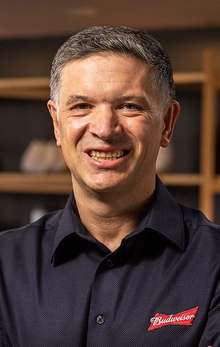
Michel Doukeris
CEO
Philipp Navratil
Chief Executive Officer

Poul Weihrauch
CEO
Ramon Laguarta
Chairman of the Board of Directors