
What do Food & Drink Giant Nestlé's Annual Results Tell Us?
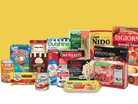
Swiss food manufacturer Nestlé has projected that revenue will rise between 3% and 4% in 2026. This forecast, announced on Thursday, slightly exceeds last year’s growth of 3.5% and surpasses the 3.2% estimate previously provided by analysts surveyed by Bloomberg.
The company also anticipates that real internal growth (RIG) – a key metric measuring sales volumes – will accelerate throughout the coming year. These projections follow a year in which reported sales reached US$116bn.
Organic growth in 2025 stood at 3.5%, supported by pricing of 2.8% and a RIG of 0.8%.
Targeted growth investments drive volumes
During the second half of 2025, Nestlé saw a strengthening in growth and market share trends. Real internal growth accelerated from 0.2% in the first half to 1.4% in the second half.
“I am encouraged by our performance during 2025, which reflects the targeted actions we have taken in a difficult external environment,” said Philipp Navratil, Nestlé CEO.
Philipp said that RIG was positive across all zones and global businesses. Improving market share trends in the latter part of the year suggest that recent interventions are working, with volume share for the group now described as flat.
Global provider of nutrition and wellness
Nestlé is a Swiss multinational food and drink processing conglomerate headquartered in Vevey, Vaud, Switzerland. It is the largest food company in the world, measured by revenue and other metrics.
The firm produces a vast range of products, including baby food, medical food, bottled water, breakfast cereals, coffee and tea, confectionery, dairy products, ice cream, frozen food, pet foods and snacks.
Known for global powerhouse brands including Nescafé, Nespresso and Purina, the company has operated for over 150 years, maintaining market-leading positions in several global categories while employing a simplified organisational structure.

Portfolio focused on four core units
To reduce costs and streamline operations, the group is reorganising around four core divisions: pet care, coffee, nutrition, and food and snacking. This structure centralises functions such as marketing.
The nutrition and Nestlé Health Science units are being integrated into a single business to strengthen category leadership.
“We are focusing our portfolio on four businesses, led by our strongest brands, with prioritised resources and a simplified organisation,” said Philipp.
The company is also in advanced negotiations to sell its remaining ice cream businesses to its Froneri joint venture, as it seeks to rationalise its brand portfolio.
Growth platforms expanded for sales reach
Marketing and innovation are being upgraded, with increased investment directed toward high-potential growth platforms.
These platforms, which include cold coffee and pet therapeutics, now represent 30% of sales and are expected to deliver high organic growth. To support this, Nestlé plans an additional investment of US$777m in 2026.
“We are upgrading our marketing and innovation and increasing investment behind high-potential growth platforms, which now have an expanded scope,” said Philipp.
He indicated that these high-growth areas are underpinned by a performance culture that rewards results and excellence across the simplified organisation.
Efficiency gains through operational savings
Transformation efforts include a step-up in efficiencies and the execution of a significant cost reduction programme.
Nestlé is targeting US$1.3bn in annual operational efficiency savings by the end of 2027. The company reports that 20% of these targeted white-collar operational savings have already been achieved, ahead of plan.
“We are stepping up our efficiencies and strengthening our financial position,” said Philipp, who believes that faster execution of this focused strategy will provide sustained improvement.
These savings are intended to support margin delivery and provide the "fuel for growth" needed to reinvest in the company's powerhouse global brands.
Market share trends show positive momentum
In the confectionery and coffee categories, Nestlé used smart pricing to address input cost increases, such as rising coffee and cocoa prices.
While these price increases impacted the gross profit margin, the company managed to maintain consumer penetration, its report says.
Market share trends for "billionaire brands" are turning positive for the first time in over a decade, it adds.
“While there is more to be done, we are confident that our faster execution of a more focused strategy will deliver sustained improvement through 2026 and beyond,” said Philipp. He remains optimistic that focused growth plans will continue to drive volume acceleration.
Company portals

Executives
Philipp Navratil
Chief Executive Officer