
Mars, Kellanova & Kraft Heinz: This Week's Top Stories


10 December
Mars has received unconditional approval from the European Commission for its acquisition of Kellanova, clearing the final regulatory hurdle for one of the food and drink sector's largest deals in recent years.
The transaction is expected to close on 11 December 2025, subject to customary closing conditions.
The approval from Brussels marks the 28th and final regulatory clearance required for the merger, which was first announced on 14 August 2024.
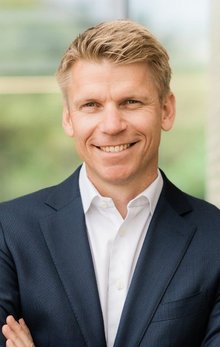
Anders Bering, the Vice President of Global Corporate Affairs at Mars Snacking, describes the milestone as a culmination of extensive cross-company collaboration.
"Big day today, as Mars finally received the last regulatory approval needed to complete the pending acquisition of Kellanova," he says.
"We are so excited about combining these two companies with incredible legacies, brands and people into a +$30bn Snacking business."
Upon completion, Kellanova's shares will be delisted from the New York Stock Exchange.
9 December
When it comes to sustainability, the true scale of Kraft Heinz's challenge becomes apparent in a single statistic.
The food and beverage giant, which owns some of the world's most popular brands, estimates that around 80% of its carbon footprint comes from its suppliers, with agriculture and ingredients making up the bulk of that figure.
As such, if Kraft Heinz wants to become a sustainable company, it may have to change the way farming is done around the world.
The US-based firm has committed to reaching net zero across all three emissions scopes by 2050, with an interim target of 50% reduction by 2030.
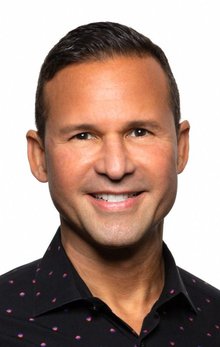
"To be the leader in elevating and creating food that makes you feel good," says Carlos Abrams-Rivera, the conglomerate's CEO.
10 December
Margaret Henry, VP of Sustainable and Regenerative Agriculture at PepsiCo, is helping drive the company’s sustainable growth agenda in line with its pep+ vision, creating positive change across its global food and beverage supply chain.
PepsiCo is turning its global ambitions into practical action on the ground, reshaping how key ingredients are grown and sourced.
The business is working to scale regenerative practices, build climate resilience into its food system and support the long-term viability of farming communities that supply its brands.
In her role, Margaret leads the integration of sustainable and regenerative agriculture across PepsiCo’s global operations, ensuring strategic goals are embedded in local plans, supplier relationships and farm-level programmes.
Her remit includes collaborating directly with farmers, engaging with NGOs and industry partners and shaping initiatives that reduce environmental impact while improving productivity and livelihoods across PepsiCo’s ingredient base.
Margaret shares her insights with Food & Drink Digital.
8 December
Danone has achieved B Corp certification across its entire global operations, a milestone for the French food group that has been a decade in the making.
The certification makes Danone one of the largest multinational companies to meet the standard, placing a new focus on the function of third-party validation in corporate sustainability and governance.
The certification covers over 200 legal entities in more than 60 countries, covering approximately 90,000 employees. This achievement is the culmination of a process that started in 2015, using a bottom-up approach to certify individual subsidiaries first.
Local business units had to prove their performance against B Lab’s criteria in areas like governance, workforce practices and environmental management. The final stage was the certification of the parent company, Danone SA, confirming all eligible entities are now covered by B Corp standards.
7 December
Global food loss and waste remain a major challenge, much of it driven by logistics inefficiencies and mismatched supply and demand.
Tackling this food waste crisis demands smarter coordination and forward planning – especially before goods reach the retailer.
DP World has published a new report uncovering the hidden value of perishables logistics and demonstrating how supply chain transformation can dramatically reduce food waste.




Executives
Anders Bering
Vice President of Global Corporate Affairs
Carlos Abrams-Rivera
CEO
Margaret Henry
Vice President, Sustainable & Regenerative Agriculture