Pernod Ricard's Grain-to-Glass Sustainability Strategy

Pernod Ricard, whose portfolio includes Absolut vodka, Jameson Irish whiskey and Beefeater gin, has built its reputation on the quality of its products which are sold in more than 160 countries.
To secure its future, the company has refreshed its ‘Good Times from a Good Place’ roadmap, a strategy first launched in 2019 to guide its operations.
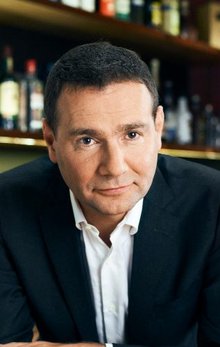
Alexandre Ricard, CEO and Chairman at Pernod Ricard, says: “Good Times from a Good Place is our strategy to ensure that we operate in a way that minimises our impact on the environment, supports people throughout our value chain and fosters a culture of convivial drinking.
"We are building brands that will last for generations to come, from the soil of our terroirs to the very last sip.”
Nurturing terroir and agricultural ingredients
Pernod Ricard's strategy places a heavy emphasis on protecting its terroir, which is the natural environment in which a particular wine or spirit is produced.
It is working towards mitigating the effects of climate change to ensure a consistent supply of quality ingredients for its diverse portfolio of drinks.
The 2030 goals include a focus on regenerative agriculture and carbon removal projects to reduce agricultural carbon emissions and preserve biodiversity.
This involves rethinking energy use in its farming practices, from using greener fertilisers to employing renewable energy for agricultural machinery.
Pernod Ricard is implementing cover crops like clover, herbs and grasses between harvests.
This practice nourishes the soil, can help control pests and supports a biodiverse ecosystem, all of which contribute to healthier fields and more resilient ingredients for future production.
“Today, the world at large faces a growing number of existential challenges,” Alexandre says.
“From the escalating impact of climate change to increasing social and political uncertainty, we remain firm in the belief that operating responsibly and sustainably is fundamental to ensure our business remains resilient in the future.”

Circularity in production and packaging
A core principle in the company’s approach is circularity, aiming to minimise waste and make the most of resources.
Pernod Ricard is targeting a reduction in its Scope 1, 2 and 3 emissions through a combination of energy efficiency, renewable energy sourcing and regenerative agriculture.
According to Pernod Ricard, packaging accounts for 26% of its carbon footprint, making it a key area for innovation.
Initiatives include lightweighting its glass bottles, switching glass colours and increasing the amount of recycled content used in its packaging.
Manufacturing operations, which represent 5% of Pernod Ricard's carbon footprint, are also a focus.
The Absolut vodka distillery is now fossil fuel-free and its other distilleries across Ireland and Scotland are using heat recovery technology which can help achieve carbon and water reductions.
In 2024, Pernod Ricard achieved its goal of sourcing 100% renewable electricity for all its offices and production sites.
A commitment from grain to glass
Pernod Ricard’s focus on circularity extends across the entire product lifecycle.
This includes rethinking materials, such as switching to plastic-free caps and using bottles made from 95% post-consumer glass.
This end-to-end approach shows a detailed consideration of the environmental impact at every stage, from the cultivation of raw ingredients to the consumer experience.
Maria Pia De Caro, EVP of Integrated Operations and S&R at Pernod Ricard, says: “Sustainability and responsibility is fully embedded in how we operate, shaping the way we produce and serve our brands while caring for people and the planet.
"From grain to glass, our value chain reflects a deep commitment to doing business the right way by embedding efficiency and innovation.”
Company portals

Executives
Alexandre Ricard
Chairman & CEO
Maria Pia De Caro
EVP, Global Operations and Sustainability