
How Whole Foods & Mad Agriculture Are Rewilding US Farmland
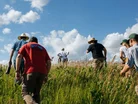
Regenerative farming on 40% of the world’s cropland could save 600 million tonnes of emissions, a Sustainable Markets Initiative Agribusiness Task Force report states.
This method has various benefits, according to the World Economic Forum, such as enhancing soil health, increasing nutrients in crop yields, reducing pesticide use and boosting long-term farmer livelihood by cutting costs. Whole Foods Market and Mad Agriculture work together to present a novel national plan for rewilding US farmland.
A collaboration is underway to establish a national initiative focused on biodiversity highways, intended to revive native ecosystems across American agricultural land
“This initiative is laying the groundwork for a new kind of agriculture,” said Omar de Kok-Mercado, Director of Wilding at Mad Agriculture.
“The biodiversity highway is a blueprint for the next era of American infrastructure. Not just pipes and roads but living systems that restore function to land.
“It operationalises perennial agriculture at scale, connecting ecological health to economic resilience.
“We’re not restoring the past — we’re engineering the future, one corridor at a time.”

Wisconsin project launch
The programme's initiation is taking place in Wisconsin, designed to generate a network of climate-resilient habitats.
Benefits from this project include restoring biodiversity, improving soil and water health as well as fortifying the long-term resilience of the food system.
Whole Foods Market also states that connecting farms, watersheds and wild areas will mitigate fragmentation, support pollinators and wildlife and shield communities from flooding and erosion.
Whole Foods perceives this movement as crucial due to farmland's current stresses: declining soil health, reduced biodiversity and the land's waning capacity to handle such stressors.
Jason Buechel, CEO at Whole Foods Market says: “Teaming up with Mad Agriculture represents a meaningful step forward in our commitment to improving ecosystem health and fostering climate resilience.
“This initiative is about rethinking how we care for the land and support the people who grow our food.
“As the programme expands, it will forge a more connected, resilient landscape and supporting biodiversity and more sustainable farming for generations to come.
“It’s one of the most exciting efforts we’ve launched this year, and it builds on the momentum and progress outlined in our 2024 Impact Report.”

Whole Foods Market 2024 impact report
This effort forms part of Whole Foods Market's sustainability pledges described in its 2024 impact report.
Achievements in different domains include progressing regenerative agriculture by doubling certified regenerative products to 301, expanding biodiversity attempts through native prairie restoration and pollinator-friendly sourcing and contributing nearly 29 million meals to above 1000 food rescue and redevelopment plans in North America.
Additionally, it has accelerated carbon reduction efforts in collaboration with key suppliers and cut back on in-store emissions by fitting 64 stores with solar, 235 stores with lower global warming potential refrigerants and 389 electric vehicle charging stations.
Spreading access to food, education and economic opportunities across 39 countries by investing US$14.2m into over 1,000 organisations and channelling more than US$8.8m into premiums benefiting workers, communities and the environment is also part of the initiative.
“The 2024 Impact Report is a reminder that the products on our shelves represent a story of people, places, and choices that shape our food system,” says Caitlin Leibert, Vice President of Sustainability at Whole Foods Market.
“It reflects the collective effort of farmers, producers, Team Members and partners who are helping us build something better.
“Our work with Mad Agriculture is one of the most inspiring examples of that effort – showing what’s possible when we stay rooted in our purpose to nourish people and the planet.
“We’re proud to be part of something that honours those connections and helps shape a more hopeful future for food.”
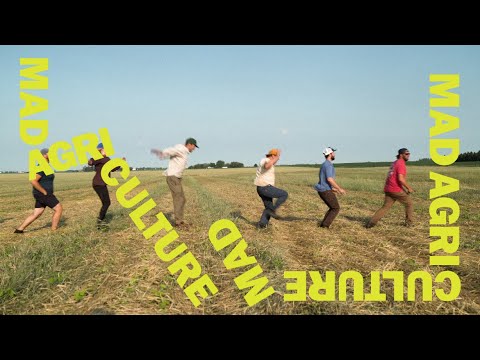
Goals of Mad Agriculture
Mad Agriculture dedicates its mission to regenerative farming.
It aspires to innovate market-oriented solutions promoting regenerative agriculture while advancing farmer prosperity on the land through support and investment in projects.
The organisation maintains that ecological function and varied landscapes form the bedrock of a profitable, sustainable food system, so it devises strategies and opportunities for farm businesses to restore ecosystems while sustaining human nourishment.
Phillip Taylor, Co-Founder, Mad Agriculture, says in a statement: “I’ve always felt a deep purpose to ensure the beauty and well-being of the Earth, which humans are part and parcel of.
“I am drawn to agriculture because food is at the heart of our existence, and how we eat largely determines how the world is used.
“Humans are increasingly disconnected from food and the farmers that feed us all, which has driven a dramatic deterioration of global ecosystems, culture and economy.
“My life's work is to create a world where people and ecosystems flourish together.”