Get Blue: How Water.org is Promoting Safe Water & Sanitation
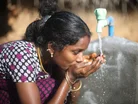
Nearly a quarter of the global population, approximately 2.1 billion people, currently lack access to safe water, while 3.4 billion people do not have access to safe sanitation, according to Water.org.
In response to this pressing challenge, Water.org has unveiled Get Blue at Davos during the World Economic Forum's 2026 Annual Meeting.
The initiative aligns with the event's "blue thread" theme, which emphasises the critical role of water ecosystems in global trade and livelihoods.

About Water.org
Water.org, established in 2009 by Gary White and Matt Damon, works to break down barriers preventing people from accessing safe water.
The non-profit organisation has provided lasting access to safe water or sanitation to 85 million people to date.
The introduction of Get Blue could help Water.org progress towards its ambitious target of reaching 200 million people by 2030.
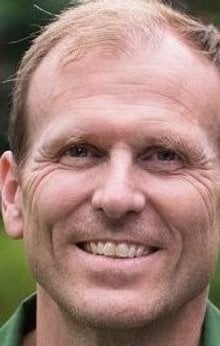
Gary White, CEO and co-founder of Water.org, says: "Solving the global water crisis is possible if the business community comes together and focuses on measurable change.
"Water sits at the centre of opportunity in the global economy.
"Get Blue gives companies a way to lead on an issue their industries depend on and to help scale solutions that are already reaching millions of people who need them.
"This is the kind of leadership required to end the water crisis within our lifetimes."
A global movement for change
Get Blue represents a global movement designed to mobilise brands, creators, consumers and capital towards solving the water crisis.
The initiative aims to accelerate access to safe water and sanitation by aligning business leadership and funding behind Water.org's solutions, helping to reach families and communities in need across the globe.
Water.org has partnered with Gap, Amazon, Starbucks and Ecolab to launch Get Blue, with these companies providing products, content and experiences to help fund water access.
The consumer launch is planned for later in 2026, with the founding companies developing solutions across the fashion, food and beverage and technology sectors.
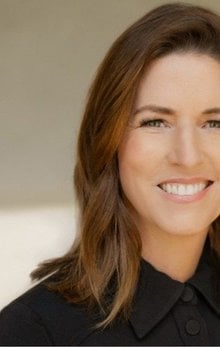
Kara Hurst, Chief Sustainability Officer at Amazon, says: "The water crisis requires sustained, meaningful action and Get Blue is an example of what the private sector can do to help raise awareness and work together to drive solutions and impact.
"This approach builds on Amazon's aim to be a responsible water steward in communities – and water-stressed regions – where it operates, as it works to reduce water use across its operations through investment, innovation and implementation."
Cross-sector collaboration for water access
Each founding company brings distinct expertise to the initiative, particularly relevant to the food and drink industry.
For Starbucks, Get Blue aligns with the company's business values, with the aim of tackling water scarcity in agricultural areas where the company's supplies are grown.
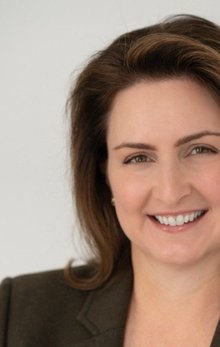
Marika McCauley Sine, Chief Sustainability Officer at Starbucks, says: "In some coffee, tea and cocoa farming regions, people lack access to clean water and sanitation.
"For Starbucks, helping these communities thrive is both the right thing to do and strengthens our business and supply chain."
Emilio Tenuta, SVP and Chief Sustainability Officer at Ecolab, says on LinkedIn: "Get Blue is designed to enable consumer and B2B companies to treat water as a core operating and market issue – something that is foundational to Ecolab.
"We know that when we help customers use water smarter, we unlock growth, value and impact.
"By joining forces with global leaders to expand access to safe water, we can tackle global water scarcity and strengthen the communities in which we all operate."
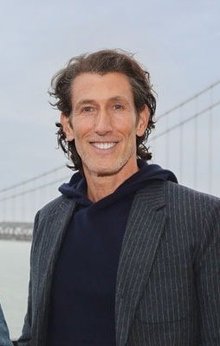
Richard Dickson, President and CEO of Gap, says: "At Gap Inc., we bridge gaps to create a better world – and the gap between people who lack access to water, let alone clean water, is far too big.
"Through the launch of Get Blue, we're uniting some of the world's most influential brands behind a shared mission.
"By coming together, we can help make safe water accessible to every person on the planet and demonstrate what's possible when our industry steps up as a force for good."
The power of collective action
The cross-industry partnership demonstrates the scale of the initiative and the importance of collaboration in addressing water scarcity.
Kara Hurst says on LinkedIn: “Nearly one in four people around the world don’t have access to safe water.
“That means mothers are walking for hours – every day – to collect water for their families.
“Children are getting sick and missing school. Entire communities are going without a basic necessity so many of us take for granted.
“The global water crisis is real, but we believe it’s not insurmountable – and together, we can make a difference.”

Executives
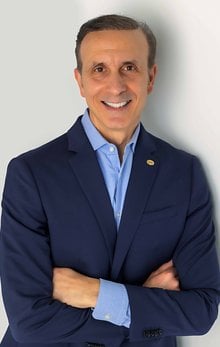
Emilio Tenuta
Senior Vice President and Chief Sustainability Officer at Ecolab
Gary White
CEO & Co-Founder
Kara H. Hurst
Vice President, CSO, Worldwide Sustainability
Marika McCauley Sine
Chief Sustainability Officer
Richard Dickson
Chief Executive Officer