Will Digital Supermarket Labels Bring Fair Prices or Surges?
Digital pricing is fast becoming a new battleground on Britain's shop shelves.
As supermarkets like Sainsbury's and Co-op trial electronic shelf labels (ESLs), concerns continue to mount over whether this technology serves customers or could introduce "surge pricing,” meaning higher prices during periods of increased demand.
Digital labels meet political pressure
The issue recently reached Parliament as Business and Trade Committee members expresses concerns over the potential for ESLs to unfairly affect consumers.
Jonathan Reynolds, Secretary of State for Business and Trade, posted to social media: “Recently, in the Business and Trade Committee, I have been standing up for customers, asking our largest supermarkets to rule out punishing customers by introducing dynamic pricing.”
During the committee session, a specific example from France was raised. “In France, some practices have begun to use their labels for price increases," he said.
"So, the picture is that when it is hot, the price of barbecues is going into the boom and the customers are being punished because of the good weather. Could you see a world in the future where Tesco and Sainsbury's will use electronic labelling for pricing of demand in that way?”
The committee's response explained that some dynamic pricing was being used, but not for increases.
It added: “If you look in regard to choice and dynamic pricing, then yes, we take prices dynamically to decide if they will work, but we do not take prices dynamically to increase prices because of the types of situations you explained. We do so for reductions.”

What ESLs do - And don’t do
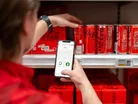
ESLs are essentially digital price tags on supermarket shelves using e-paper or liquid crystal display technology.
They update wirelessly using radio frequency or infrared signals.
When prices change centrally due to stock levels, expiry dates or planned promotions, the labels refresh instantly.
The aim is to maximise efficiency and accuracy, eliminating the need for manual sticker printing and mismatched prices between the till and shelf.
Yet, the same system could theoretically raise prices during peak hours or warm weather.
Several UK retailers are moving forward with plans to trial ESLs. Sainsbury's has held an ESL trial in three stores, while Co-op intends to install the labels in 1,500 shops by year-end and aims to roll out across 2,400 locations by 2026.
Meanwhile in the United States, both Kroger and Walmart have faced scrutiny over tech implications, and have refuted suggestions that they could implement dynamic pricing.
Kroger says ESLs help reduce prices and minimise waste, while Walmart plans to install ESLs in 2,300 shops by 2026.
Proponents argue ESLs enhance stock management, alerting staff to low stock, highlighting seasonal items or offering loyalty discounts.
As Peter Ward from Pricer explains: “Dynamic pricing lends itself to one of the most popular promotional techniques – lower prices for loyalty members.”
Balancing tech and transparency
Critics of ESLs have voiced concerns over transparency. Traditional paper labels – with distinguishable red, orange or yellow stickers – are easily noticeable. By contrast, digital labels can update silently.
Some caution that customers may distrust changes if they are not clearly communicated.
The concept of surge pricing, where prices rise during high demand, is familiar from online platforms and might raise shopper concerns if adapted to supermarkets.
Yet, it's important to differentiate between surge pricing and dynamic pricing.
The former temporarily increases prices due to demand, whereas the latter uses real-time data like expiry dates or overstock to lower prices and cut waste.
Professors Robert Sanders and Yannis Stamatopoulos, who research dynamic pricing in Europe, found ESLs led to “the average price per unit sold going down” and increased sales volume. In essence, when used for reductions rather than increases, ESLs benefit both retailers and consumers.
ESLs with dynamic pricing could enable targeted promotions, such as discounts during quieter shopping times or refined stock management.
But or now, retailers stand at a crossroads between innovation and perception.