
BDO, Tesco & Sainsbury's: Record Sales Over Christmas
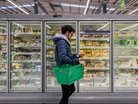
The 2025 Christmas period proved that British consumers' appetite for festive food and drink remains resilient, even as household budgets face continued pressure.
Whilst the retail landscape witnessed shifting spending patterns, the food and beverage category emerged as the clear winner during the year-end trading period.
UK supermarkets recorded an unprecedented £500m (US$670.4m) in daily sales during the Christmas run-up, marking a new industry milestone.
However, this spending surge was not evenly distributed, with consumers prioritising their grocery purchases whilst cutting back on non-food items and turning to low-priced online platforms for clothing, electronics and homeware.

Food spending drives festive sales
The four weeks to 28 December saw UK supermarkets generate a record £13.1bn (US$17.6bn), representing a 3.8% increase from the previous year.
This growth was overwhelmingly driven by food and drink sales, as consumers channelled their spending power towards festive meals and celebrations rather than traditional gift purchases.
Sophie Michael, Head of Retail at BDO, explains in a statement: "Due to persistent food inflation and high living costs, consumers reduced their discretionary spending over the Christmas period, focusing on festive food, drinks and experiences instead of products."
According to accountancy firm BDO, non-food categories witnessed a 1.4% decline in December 2025 compared to the same period in 2024.
This included fashion, homeware and electronics, suggesting that consumers were making deliberate choices to invest in their festive dining experiences rather than material goods.
The shift in spending priorities reflects broader economic pressures facing households, with consumers demonstrating a clear preference for experiential purchases centred around food and celebration over discretionary retail items.
Premium ranges see strong performance
Tesco reported food sales up 5.2% over the Christmas period, with particularly strong demand for fresh produce and party food.
The retailer's premium Tesco Finest range saw sales growth of 13%, indicating that consumers were willing to spend more on quality food items for their celebrations.
The supermarket achieved its highest market share in more than a decade, with overall sales rising 3.2% year-on-year.
Sofie Willmott, Associate Director at GlobalData Retail, explains in published comments this is a result of price-matching Aldi and offering lower prices to its Clubcard holders, stating: "Tesco has seen a consistently strong performance over the last couple of years really, where it is really focused on price."
Marks & Spencer's food division proved resilient despite the retailer facing challenges elsewhere in its business, with the cyber-attack on the business in 2025.
In the three months to 27 December, M&S reported food sales up 5.6%, attracting a record number of customers.
CEO Stuart Machin credits the performance to its 'Christmas Hero Lines', alongside strong sales from its in-store bakery, deli and Italian ready meals.
"Food sales were strong and the business continues to outperform, hitting a new market share milestone in the period," Stuart adds in the company's trading statement.
Quality over quantity approach
Sainsbury's witnessed a 5.1% rise in total grocery sales during the six weeks to 3 January, with its premium 'Taste the Difference' line experiencing a 15% sales increase during the Christmas quarter.
This performance suggests that shoppers were seeking quality ingredients and prepared foods to elevate their festive gatherings.
Simon Roberts, CEO of Sainsbury's, comments in the retailer's Christmas trading update: "When we strengthened our profit guidance in November, we said we planned to invest in the strength of our competitive position through the most important trading period of the year.
"We expected the market to become more competitive with customers spending more carefully and we invested in balanced choices to offer great value for money, outstanding quality and innovation and leading customer service and availability, both in store and online."
The picture was not universally positive, however.
Asda saw sales fall 4.2% during the same period in 2024, reaching a total of £4.3bn (US$5.8bn).
Sainsbury's also experienced headwinds in its non-food operations, with Argos sales falling 2.2% and non-food and clothing sales down 1%.
The Christmas 2025 trading period demonstrates a fundamental shift in British consumer behaviour, with food and drink expenditure taking precedence over traditional retail purchases.
For supermarket chains with strong grocery offerings and premium ranges, this trend translated into meeting anticipated operating profits and a successful conclusion to the year.
Company portals




Executives
Simon Roberts
Chief Executive Officer

Sofie Willmott
Associate Director
Sophie Michael
Head of Retail
Stuart Machin
Chief Executive Officer